
Choose a supply route that fits your order
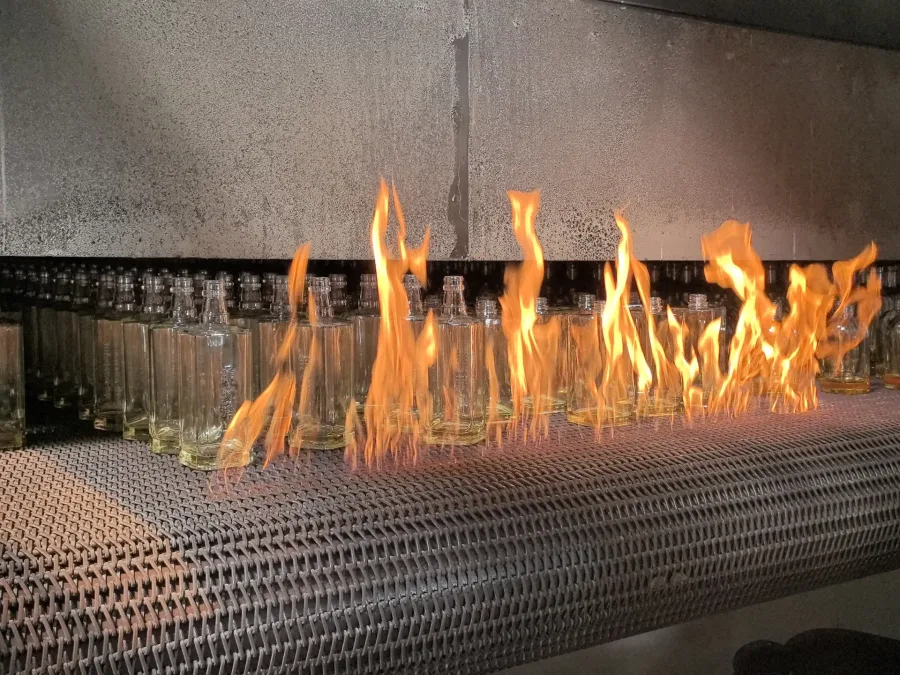
You can buy glass bottles wholesale through packaging distributors or directly from manufacturers. The useful distinction is how each source will fulfil your particular order: from confirmed inventory, a scheduled production run or a new development project. A catalogue listing alone does not establish availability.
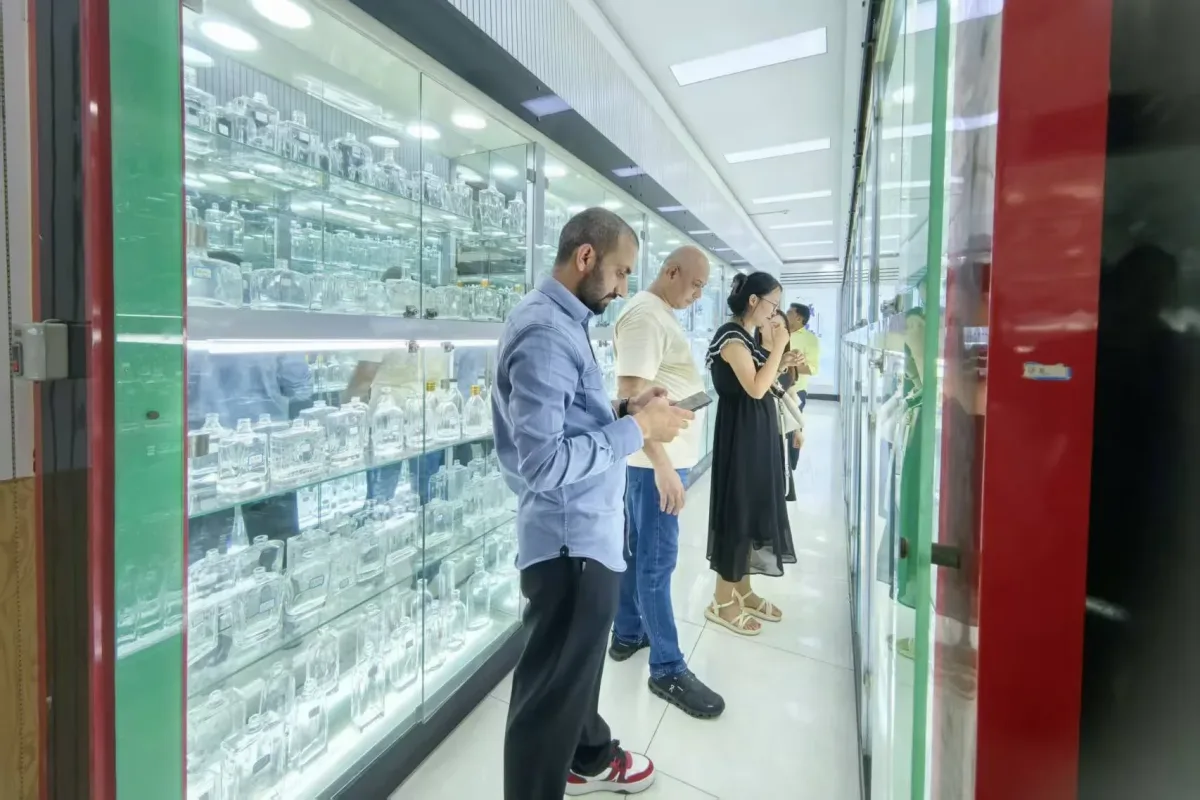
When approaching wholesale glass bottle distributors, ask where the bottles are held, whether the required quantity is available, and whether closures come from the same source. Confirm who handles replenishment, substitutions and claims. Local inventory may simplify smaller or urgent purchases, but only if the exact bottle and its matching components are available.
For manufacturer-direct enquiries, establish whether the bottle uses an available existing mould or requires new tooling. Ask who coordinates glass production, closure sourcing and decoration, and which stages need your approval. Neither channel is automatically cheaper once freight, handling and inventory commitments are included.
Ruisheng Glass manufactures liquor and spirits bottles and provides OEM/ODM development covering mould engineering, sizes, shapes, colors, caps or stoppers, and decoration. That scope makes a spirits packaging brief relevant; it does not establish availability for every glass container application. For a deeper supplier check, see How to Evaluate a Glass Bottle Manufacturer for Packaging Projects.
Define a complete bottle-and-closure specification
A capacity and a product photograph are not enough to buy glass bottles reliably. Identify the intended contents, nominal fill volume, brimful capacity where relevant, bottle dimensions, weight requirements and label area. State which dimensions are essential for your filling, closing and packing equipment.
Specify the neck finish and closure together. A similar-looking mouth or matching nominal diameter does not establish a correct fit. Ask for the applicable bottle and closure drawings, tolerances, sealing arrangement and any liner or stopper details, then verify the assembled package under the intended filling and storage conditions.
For example, changing a stopper-style mouth to a threaded finish changes more than appearance: the closure specification and closing operation must also be reviewed. If an existing cap must be retained, make that a requirement at the start rather than asking the bottle supplier to match it after the glass design is approved.
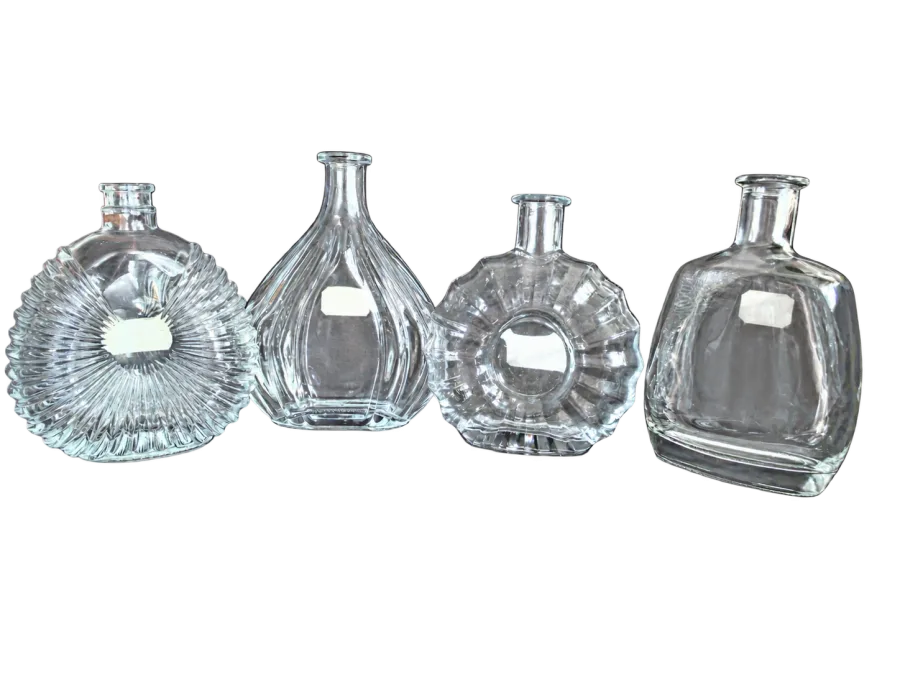
A request for decorative glass bottles wholesale also needs clarification. A decorated spirits bottle is not the same offering as an ornamental bottle for home décor. For spirits packaging, define the desired color, artwork placement, surface treatment and areas that must remain undecorated. Ruisheng Glass offers bottle decoration, but suitability and availability of a particular treatment still need project-specific confirmation.
Separate MOQ, shipping quantity and forecast demand
Ask for the minimum order quantity against the exact model, capacity, glass material, color and decoration being quoted. Bottle production, closure supply and decoration may have separate minimums. Confirm whether each minimum applies per model, per color or per production run, and whether mixed items can share a shipment.
These were project-specific historical quotations, not a current company-wide minimum or confirmation that either model remains available.
An economical loading quantity is a different question from MOQ. Request a packing and loading calculation for the actual bottle and packaging configuration. Ordering enough to use transport space efficiently may reduce freight per bottle, but it can also increase storage needs, cash tied up in stock and exposure to a later design change.
Keep the first purchase order separate from expected annual consumption. For example, a launch requirement and an uncommitted growth forecast should not be presented as one firm order. Ask the supplier to quote the confirmed quantity and identify any conditions attached to larger-volume pricing, repeat orders or tooling-cost recovery.
Use samples to establish production acceptance
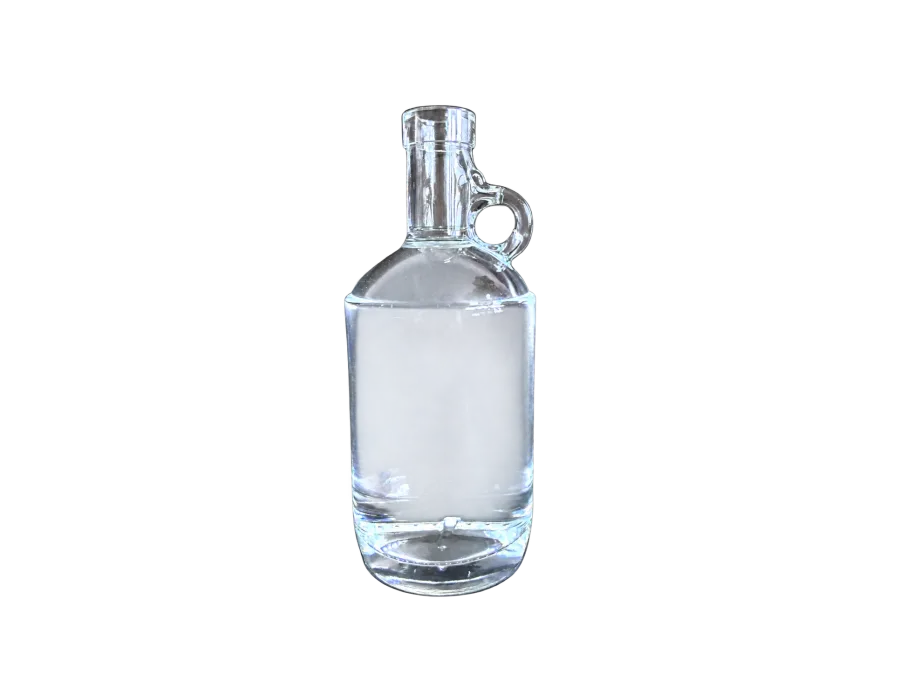
Clarify what each sample represents. An existing clear bottle can help assess shape or glass appearance, but it does not approve a different neck, custom mould, production color or decorated finish. Ask which details are representative and which remain provisional, along with sample charges and courier costs.
A 2024 Ruisheng project review recorded a non-standard bottle mouth that complicated stopper matching. The review also noted that a test video had been sent before production without first sending the relevant physical sample for customer confirmation. The practical lesson is to make physical bottle-and-closure approval an explicit release condition, rather than treating a video as its replacement.
Retain an agreed reference sample and drawing revision with written acceptance criteria. Define measurable requirements and agreed visual limits for the features that matter to your project, including closure fit, dimensions, color and decoration placement. A sample is a reference for comparison, not proof that every production bottle will be identical.
For repeat purchases, ask how batches will be identified and how changes to the bottle, closure or decoration will be communicated. Agree who can approve substitutions and when re-sampling is required. How to Choose a Liquor and Spirit Glass Bottle Supplier addresses the wider supplier-selection decision.
Compare delivered cost and shipment scope
Compare wholesale glass bottle packaging on the same commercial basis. A bare-bottle price cannot be compared fairly with a quote that includes closures, decoration and protective packaging. Request separate line items so that exclusions remain visible.
Build the comparison around bottles, closures, decoration, tooling where applicable, packing, inland movement, freight, insurance and destination charges. Confirm the named place or port and the Incoterms® rule and version. FOB and CIF quotations cover different seller obligations; neither should be treated as the final cost delivered to your warehouse.
Specify the destination and unloading constraints before freight is quoted. Ask for bottle counts per carton or tray, pallet dimensions, gross weights, total shipment volume and the proposed loading configuration. These details affect freight quotations, handling equipment and warehouse space.
Production completion, dispatch, port arrival and warehouse delivery are separate milestones. Ask which dates are confirmed, which are estimates, and what approvals or payments must occur before each stage. Do not schedule filling solely against an estimated sailing or arrival date without allowing for clearance and inland transport.
Agree receiving checks before the bottles leave
Agree the receiving inspection and claims process before dispatch. State the inspection period, evidence required, responsible contact and how shortages, transport damage and manufacturing nonconformities will be assessed. Do not assume a replacement or credit policy that has not been accepted in writing.
At receipt, record pallet and carton condition before unpacking, reconcile quantities and batch markings against the packing list, and inspect bottles and closures against the approved references. Keep affected packaging and traceability information when reporting a problem. Separate suspect material from stock released for filling.
Confirm cleanliness requirements with the filling team as well. Empty bottles should not be assumed ready to fill merely because they arrive packed. Agree the required incoming condition and the appropriate cleaning or preparation procedure for the intended filling process.
A useful enquiry to Ruisheng Glass should state the required bottle style, capacity, first-order quantity, destination and whether customization is needed. Include a shareable reference URL in the message if useful; technical file exchange can be arranged after enquiry.
Frequently asked questions
Does a catalogue model number guarantee that I can order the bottle?
No. Confirm that the mould is available and that the design can be supplied to your business. Ruisheng historical correspondence records one requested model carrying another client’s embossed logo and another model whose mould was unavailable. A listing is a starting reference, not a guarantee of availability or permission to use a design.
What if a supplier proposes a replacement bottle after I have approved the order?
Request the differences in writing and review their effect on closure fit, filling equipment, labels and packing. Do not approve the replacement on appearance alone. If a functional or visual requirement changes, obtain the relevant revised drawings and samples before authorizing supply.