Define what needs to be custom
A custom tequila bottle project concerns empty packaging for commercial filling, rather than personalising a filled bottle as a gift. Begin by deciding what must be distinctive: the glass silhouette, a moulded detail, the colour, the closure, the decoration—or a combination. That distinction determines whether you need new tooling or can work with an existing bottle design.
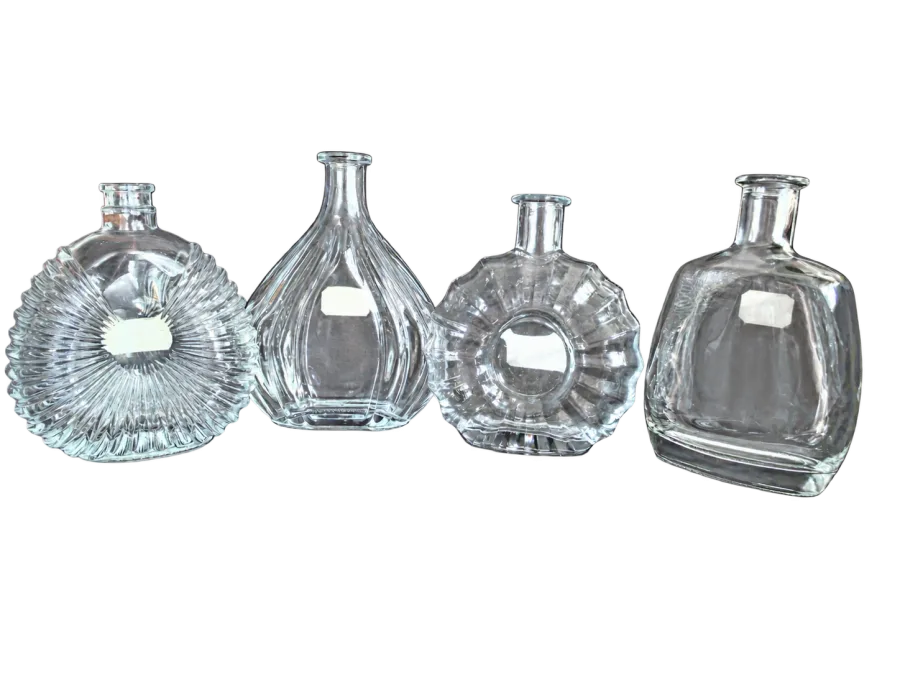
An existing design with suitable decoration may achieve the intended presentation without changing the glass shape. A new mould becomes relevant when an essential feature cannot be accommodated by an available design. Ask the manufacturer to explain which requirements trigger tooling changes instead of treating every visual reference as a request for a completely new bottle.
Set the commercial boundaries early: destination market, intended tequila product, fill volume, launch quantity, repeat-order forecast and required arrival date at the filling site. Have the responsible bottler or regulatory adviser confirm applicable packaging and labelling requirements before the design is frozen.
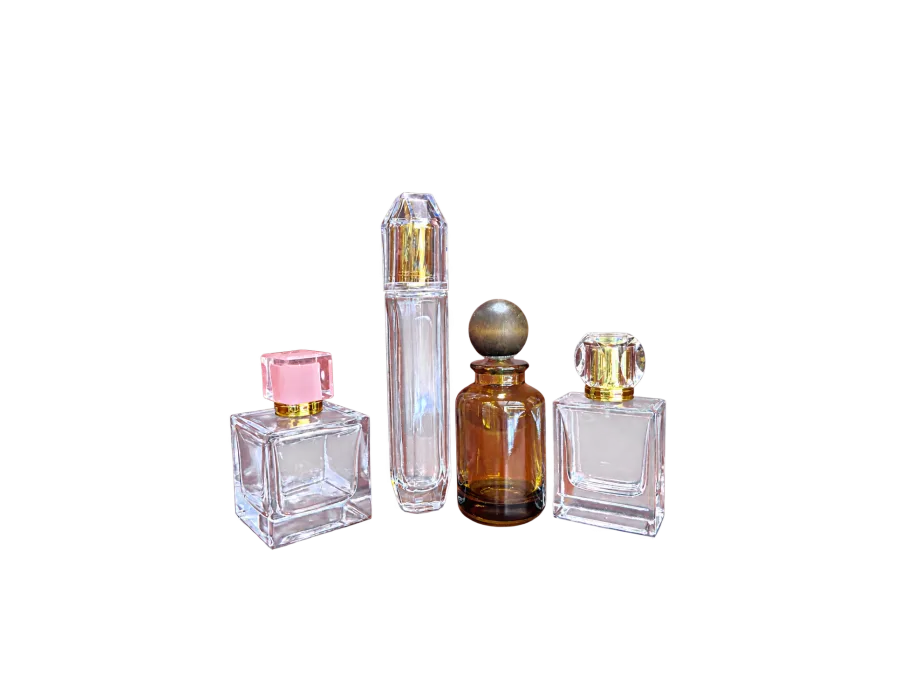
Ruisheng Glass manufactures glass tequila bottles and provides OEM/ODM development covering mould engineering, sizes, shapes, colours, caps or stoppers and decoration. The Custom Glass Bottle OEM/ODM page is the relevant starting point for discussing a new bottle structure; a project-specific review is still needed to establish feasibility and order conditions.
Turn a visual reference into a dimensional brief
A reference image communicates a design direction, but it does not establish capacity, weight or manufacturability. Explain which features matter and which can change. For example, a broad shoulder might be essential to the identity, while the base thickness or overall height remains open to engineering review. Use references you have the right to share and develop an original design rather than requesting a copy of another brand’s packaging.
State the intended fill volume separately from brimful capacity. The bottle needs an agreed relationship between the liquid level, headspace and closure; a capacity label alone does not define that relationship. Ask for a drawing that identifies how capacity is specified and which dimensions control the filling and sealing operation.
Include maximum height and width, the desired proportions, any target weight, and the space available for labels or decoration. Identify constraints imposed by shelves, gift-box inserts, shipping cases and filling equipment. Treat a preferred weight as a design input, not an approved specification, until the manufacturer has assessed the proposed shape.
Check the revision number and approve the full drawing, not only a front-view rendering. An attractive outline can conceal a narrow label panel, an awkward neck or dimensions that do not fit the intended case.
Develop the neck and closure as one assembly
Choose the closure concept before finalising the bottle neck. A stopper and a screw cap require different mating features, and a decorative top does not by itself specify the sealing component. Ask who is responsible for the bottle drawing, closure specification and compatibility approval so that the interface is not left between two suppliers.
For a stopper system, establish the neck’s internal dimensions, the stopper material and dimensions, insertion depth and intended opening experience. For a screw closure, confirm the exact neck finish and the closure’s sealing arrangement. Similar-looking components should not be treated as interchangeable.
Give the closure supplier and filling operation the same drawing revision. Review whether the assembled package can be filled, closed and handled using the planned equipment. A distinctive neck or oversized decorative top may require additional handling checks even when the glass bottle itself is acceptable.
Approve physical bottle-and-closure samples together. Agree checks for fit, leakage, opening and reclosure, including any relevant storage orientations and transport conditions. A successful fit check is one approval step; it is not evidence that every performance requirement has been validated.
Resolve colour and decoration before tooling approval
Describe the desired appearance separately from the method used to create it. A colour reference does not establish whether the result should come from coloured glass, a surface coating or printed artwork. Ask the supplier to identify the proposed method, its limitations and the sample needed to approve it. Do not infer glass colour from a photograph of a filled bottle.
Define the artwork position, coverage, readable text, finish and relationship to moulded details. Recessed panels, shoulders and corners constrain decoration differently from a flat front face. Small text that looks clear in enlarged artwork may be difficult to read at its actual size on the bottle.
A 2024 Ruisheng Glass tequila-bottle development record illustrates this constraint. After plain-glass sampling, a request to enlarge the recessed label area could not be accommodated at that stage; the text position was adjusted instead. During a later sample review, the team also recommended keeping the front label on one face rather than spanning several faces because of detachment concerns. These were project-specific findings, not a rule for every bottle or label.
The practical lesson is to review artwork at actual size before approving the glass geometry. Then review a decorated sample on the intended bottle, not only a digital mock-up. For discussion of the surface treatment itself, refer to Glass Bottle Decoration and confirm the process available for your particular design.
Separate sample approval from bulk-production approval
Different samples answer different questions. An existing bottle can help assess a general material or appearance, but it does not validate a new shape. A plain-glass development sample can support dimensional and closure review, while a decorated sample is needed to assess artwork placement and the finished presentation. Ask what each proposed sample represents and what remains unapproved.
Before sampling starts, agree the current drawing revision, components included, sample charges, freight responsibility and the review criteria. Record feedback precisely: identify the feature, the required change and whether the drawing, closure or artwork must be revised. A general comment such as “make it more premium” is not a usable production instruction.
Request the minimum quantity for the exact proposed configuration. Existing-mould bottles, new-mould bottles, colour options, decoration and closures can have separate order conditions. Confirm whether each minimum applies per model, per colour, per decoration version or per component; do not use a sample quantity or an unrelated bottle’s order quantity as the project MOQ.
Before authorising bulk production, identify the approved drawing, physical reference samples and acceptable variation. Agree who signs off changes and how revised artwork or components affect cost and scheduling. Sample approval should close defined questions rather than leave unresolved details for the production team to interpret.
Request a quotation with clear inclusions and release conditions
Make the quotation describe the complete packaging scope. Ask for the bottle, closure, decoration, tooling, sampling and packing to be identified separately, with exclusions made explicit. Confirm what the tooling charge covers, who controls the moulds and what conditions apply to later changes or repeat orders. Do not assume that an initial development quotation includes every subsequent revision.
Provide a first-order quantity and a separate forecast rather than combining them into one apparent commitment. State the delivery destination and required arrival date, then ask for a schedule that distinguishes development, sample review, production and transport. Establish which dates depend on your approvals; a production estimate is not automatically a delivered-date commitment.
Approve packing against the complete decorated bottle and closure. Confirm how bottles are separated, how the chosen decoration is protected and how the shipment will be handled at the receiving operation. Include any case or insert constraints in the dimensional brief rather than discovering a packing conflict after the bottle is approved.
For an initial enquiry, provide a shareable design-reference URL, intended capacity, closure preference, decoration direction and estimated quantity. Include unresolved requirements openly so they can be reviewed rather than guessed. Ruisheng Glass’s enquiry form accepts a text message; arrange any drawing or artwork file exchange after contact instead of relying on an attachment upload.
Frequently asked questions
Is a custom tequila bottle the same as a personalised tequila gift?
No. Personalised tequila gifts usually involve adding a name or message to an existing filled bottle. This guide concerns developing empty glass packaging for commercial filling. Ruisheng Glass’s verified offering is bottle manufacturing and custom packaging development, not the sale of personalised filled tequila.
Can a custom bottle project start without a technical drawing?
A concept image and a written brief can start the discussion, provided they identify the intended capacity, essential design features, closure and quantity. They are not substitutes for an approved engineering drawing or physical samples before a new design moves into production.