Give every supplier the same packaging brief
A useful shortlist of glass liquor bottle suppliers starts with a common specification. Otherwise, a low quotation may describe a plain bottle while another includes the stopper, decoration and protective packing. State that you are buying empty glass packaging, then define which components and services must be included.
Record the spirit type, alcohol content, destination market, intended fill volume and first-order quantity. Separate committed launch demand from an annual forecast. Add the required delivery location and the date the bottles must reach the filling operation, rather than treating shipment departure as the deadline.
Describe the bottle’s functional limits: overall dimensions, preferred weight, usable label area, neck finish and closure. Distinguish nominal fill volume from brimful capacity. Where a detail is undecided, ask each supplier to identify its assumption instead of silently choosing a different specification.
For wholesale glass liquor and spirit bottle orders, ask whether fulfilment depends on existing inventory, an existing-mould production run or new tooling. Establish who manufactures the glass and who coordinates closures and decoration. A distributor and a direct manufacturer can both be suitable, but their responsibilities should be explicit.
Choose shape and capacity around the spirit’s positioning
There is no single bottle shape that every whiskey, bourbon or gin brand must use. Start with the intended sales setting: retail shelf, back bar, tasting programme or gift presentation. Then test the design against handling, label visibility, pouring and outer-pack dimensions.
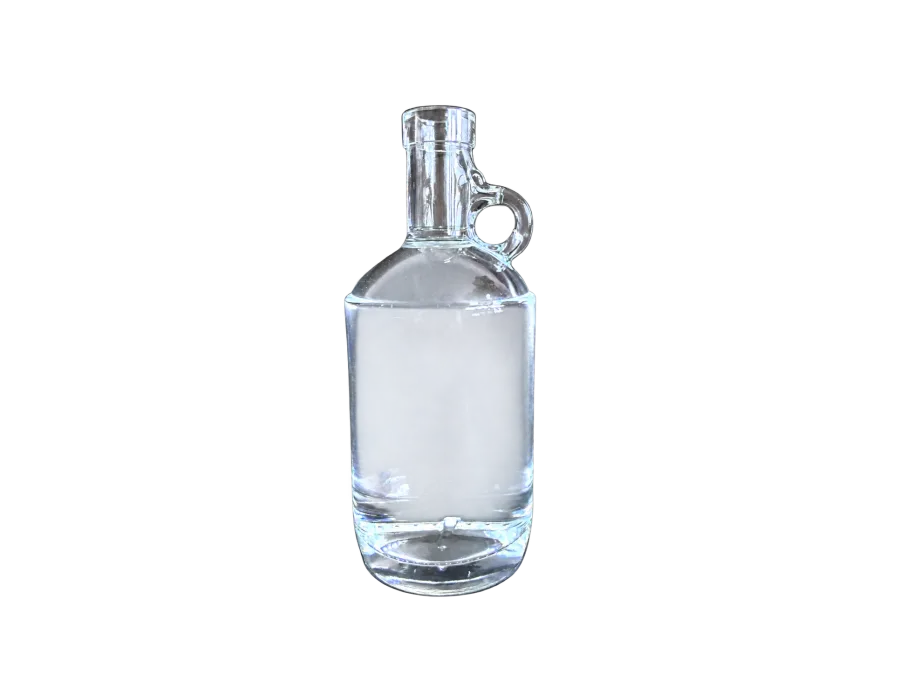
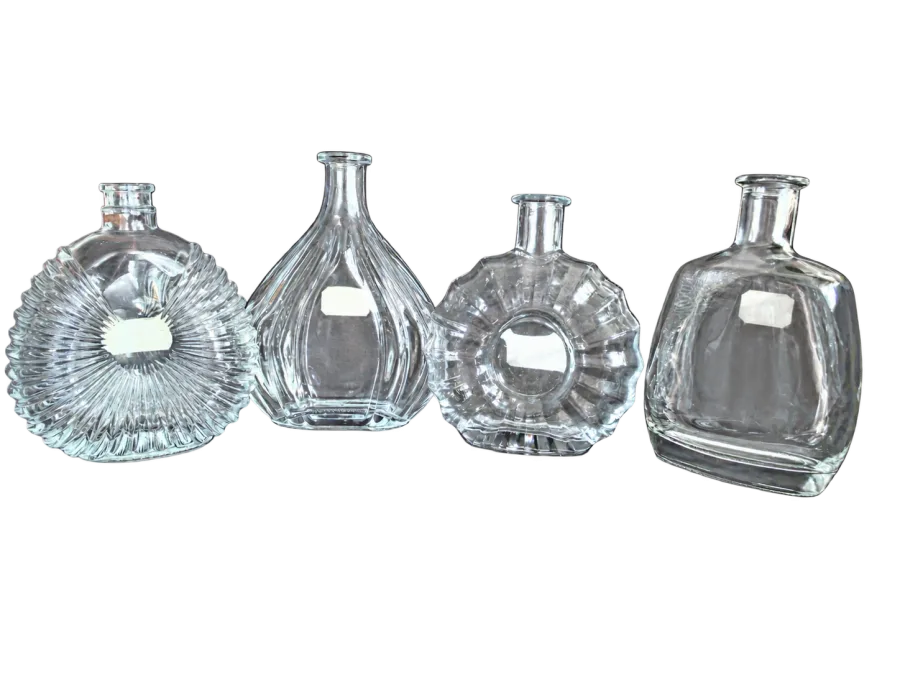
When comparing whiskey bottle manufacturers, do not treat a heavy base or broad shoulder as proof of better performance. Ask how the proposed weight and geometry affect handling and freight, and assess the appearance with your own liquid and artwork. For wholesale bourbon bottles, decide whether an existing shape provides enough distinction; for custom bourbon bottles, identify which design features genuinely justify tooling.
For wholesale gin bottles, consider how clear glass, coloured glass or surface decoration would work with the label and liquid appearance. A distinctive silhouette still needs to pass through the filling and labelling operation. Capacity should follow the destination market and product strategy; verify applicable pack-size and labelling requirements rather than assuming one format works everywhere.
Ruisheng Glass manufactures liquor and spirits bottles for vodka, whisky, brandy, rum, tequila and gin, with OEM/ODM development covering mould engineering, sizes, shapes, colors, caps or stoppers, and decoration. For a project requiring a new design, Custom Glass Bottle OEM/ODM is the relevant service to discuss; a specific model’s availability and conditions still require confirmation.
Resolve the neck and closure as one engineering decision
A closure that looks right is not necessarily compatible. Obtain the bottle neck drawing and the closure specification together. For a screw closure, confirm the complete finish and sealing arrangement; for a stopper, confirm the bore dimensions, tolerances, insertion requirements and stopper material.
Changing from a stopper neck to a screw neck can affect more than the bottle mould. An anonymised 2023 project record describes a stopper-neck sample requested with a screw finish. The proposed change also required closure tooling because a suitable cap was not available. The lesson is to check the component supply route before approving the neck change—not to assume a different closure is a simple substitution.
Approve the actual bottle-and-closure combination through filling, sealing, handling and storage checks appropriate to the product. Agree who performs the checks and what constitutes acceptance. Include any required tamper-evident element and confirm that the finished assembly fits its carton or gift pack.
Keep closure appearance separate from closure function. A decorative glass or wooden top does not, by itself, establish the properties of the sealing component beneath it. Ask for the material and dimensions of the part that contacts or seals the bottle.
Approve glass appearance separately from decoration
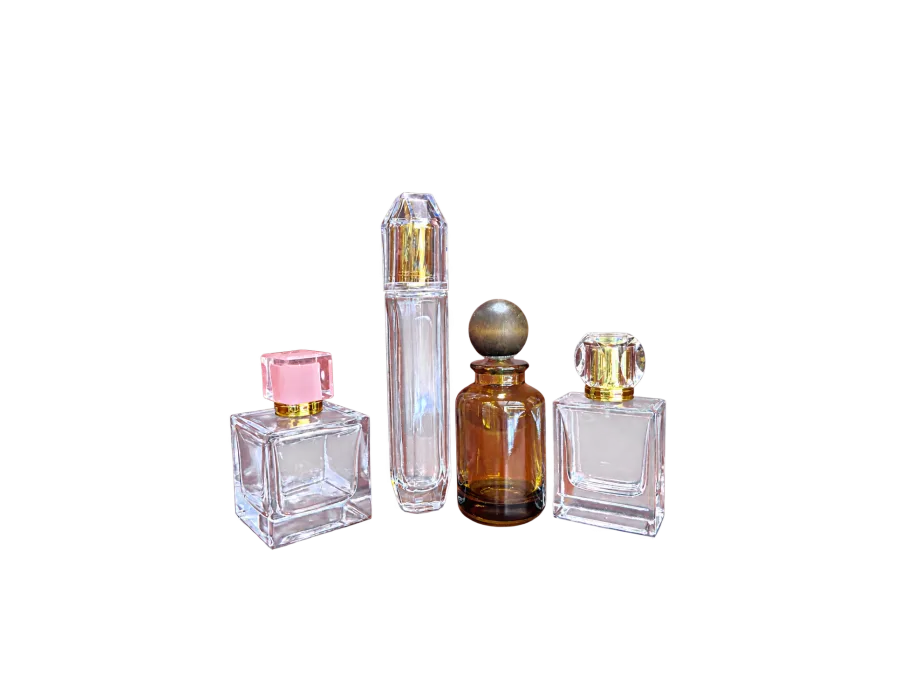
“Clear glass” is not a complete appearance specification. Review a physical sample for tint, clarity, visible surface features and the way the base and shoulders look with the intended liquid. Compare samples under consistent lighting; a photograph taken against a dark background is not a reliable colour standard.
Specify whether the required colour comes from the glass itself or a surface treatment. Then define the artwork area, colours, opacity, finish and alignment with any moulded features. Labels, screen printing and other decoration routes have different application constraints, so ask the supplier to confirm feasibility on the selected shape before finalising artwork.
An anonymised 2023 custom-bottle quotation record explicitly separated the clear bottle price from the cost of front screen printing. Use the same discipline in your comparison: identify the plain-glass price, decoration price, setup charges and the sample stage included in each offer.
Use an approved decorated sample to establish appearance and agree suitable handling and durability checks for the intended distribution conditions. Glass Bottle Decoration provides the relevant service discussion for Ruisheng Glass projects; confirm the selected process, artwork requirements and acceptance criteria for your bottle.
Separate sample approval from bulk-order commitments
Ask what each sample is intended to prove. An existing bottle may help you assess glass appearance and handling, but it cannot approve a different custom neck, moulded detail or decoration. Record any differences between the sample supplied and the bottle proposed for production.
Confirm the MOQ separately for an existing-mould bottle, a new-mould bottle, each glass colour, decoration and closures. Ask whether minimums apply per model or per colour, and whether component order quantities match. Do not confuse a container-loading quantity, a forecast or an earlier project’s order with the minimum for your specification.
Request an itemised quotation covering glass, tooling, sample preparation, decoration, closures, packing and the agreed freight scope. Clarify tooling ownership, storage, maintenance and any conditions attached to a refund or credit. Historical project terms are not a substitute for a current written offer.
Agree approval milestones before committing to production: drawing revision, relevant physical samples, decoration approval and confirmation of the final assembly. Ask when the production schedule begins, which approvals must be complete and how changes after approval affect cost and timing. Maintain one approved specification shared by the brand, supplier and filling team.
Check who will control changes and repeat orders
The strongest supplier comparison examines responsibility when something changes. A bottle may pass its first sample review yet become difficult to reorder if its closure is discontinued, its decoration specification is incomplete or its mould revision is not controlled.
Request evidence that relates to the selected bottle and intended market. For a test report, check the sample identity, date, test method and result before relying on it. A report for another size or decoration does not automatically establish suitability for your package, and a factory photograph does not establish an inspection standard.
Use the questions below to expose gaps before placing an order. Prefer specific written answers and named responsibilities over broad assurances about quality or experience.
Choose the supplier that can close the important gaps in your project brief and document the agreed package. A large catalogue or low unit price is useful only when the bottle, components and repeat-order arrangements meet your requirements.
- Production responsibility: Who makes the glass, supplies the closure and performs decoration, and who resolves an assembly problem?
- Acceptance criteria: Which dimensional, visual and functional checks will govern the order, and how will results be recorded?
- Cleanliness and preparation: What bottle condition is supplied, and what cleaning or preparation must the filling operation perform?
- Change control: Will changes to glass, neck dimensions, closure materials, artwork or packing require written approval?
- Replenishment: How are mould revisions and closure availability checked before a repeat order is accepted?
- Delivery and claims: What packing is agreed, where does freight responsibility change, and what evidence is required for a damage or quality claim?
Frequently asked questions
Is the largest glass bottle manufacturer necessarily the best supplier for a spirits launch?
No. Company size alone does not establish fit for your order. Compare willingness to support your quantity, the proposed bottle-and-closure system, approval requirements and repeat-order arrangements. Claims about being the largest also need a defined measure and current evidence.
Can I qualify a backup supplier using the same bottle photograph?
A photograph is only a visual reference. Give the backup supplier the controlled drawing, closure specification, decoration standard and acceptance requirements, then validate its samples. Similar-looking bottles should not be assumed interchangeable on the filling line or inside the same packaging.
What should I include in an initial enquiry to Ruisheng Glass?
Include the spirit type, intended fill volume, destination market, closure preference, decoration requirements and estimated first-order quantity. Add a shareable reference URL in the message if available. For drawings or other files, arrange file exchange after enquiry or contact [email protected].