Decide whether you need retail bottles or production packaging
Empty liquor bottles can be purchased separately from their contents through packaging distributors and manufacturers. Online results also include used collectible bottles, decorative containers and filled miniature spirits. For commercial bottling, specify new empty glass packaging intended for your product rather than assuming every search result serves the same purpose.
Single-bottle or small-case purchases may suit display work, early design evaluation or a limited non-production requirement. Buying empty liquor bottles wholesale is a different decision: the bottle must work consistently with filling, sealing, labelling, transport and replenishment. A low unit price is not useful if the matching closure or required quantity is unavailable.
An existing-design bottle is worth evaluating for a new spirits launch, a replacement packaging source or an additional pack size when its dimensions and closure can meet the brief. Here, “standard” means an existing design; it does not mean that every supplier uses identical dimensions or holds finished inventory.
Ruisheng Glass manufactures liquor and spirits bottles for vodka, whisky, brandy, rum, tequila and gin. Its offer also includes OEM/ODM development. These capabilities establish a relevant source for spirits packaging enquiries, but do not establish single-bottle retail sales, current stock or a minimum order for a particular model.
For a broader assessment of supplier responsibilities, see How to Choose a Liquor and Spirit Glass Bottle Supplier.
Shortlist capacity and shape against the actual application
Start with the intended fill volume and destination market. Confirm applicable pack-size and labelling requirements before selecting a bottle. Nominal fill volume is not brimful capacity: the latter measures the container’s volume to the rim, while the intended fill needs appropriate headspace and a validated filling arrangement.
Miniatures may serve tasting packs or sample programmes, while larger formats may suit retail shelves or hospitality use. These are application distinctions, not evidence that a supplier stocks every size. A small bottle still needs enough usable space for required information, a suitable closure and handling that works with the planned filling method.
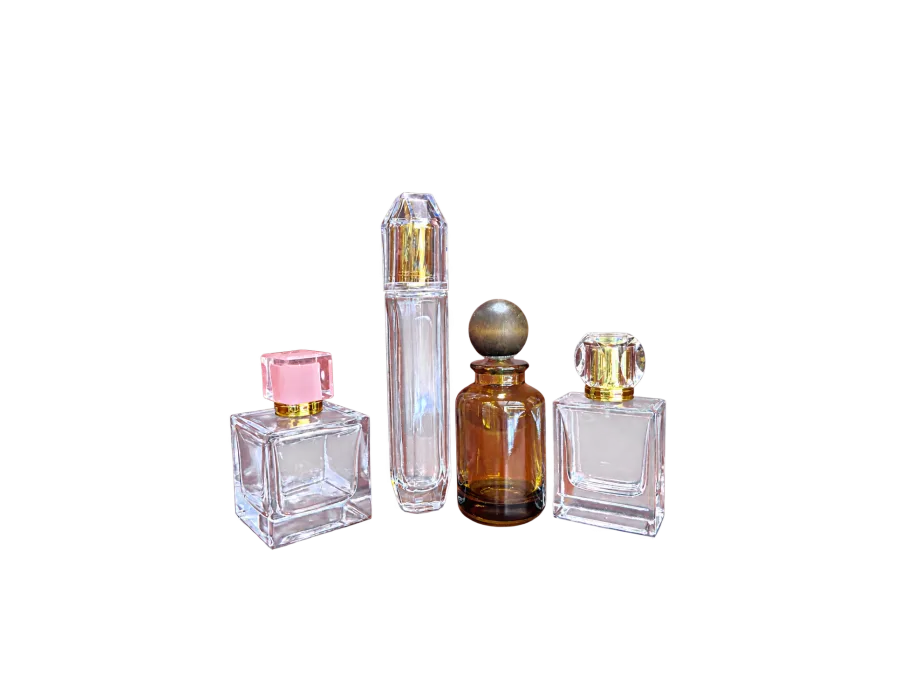
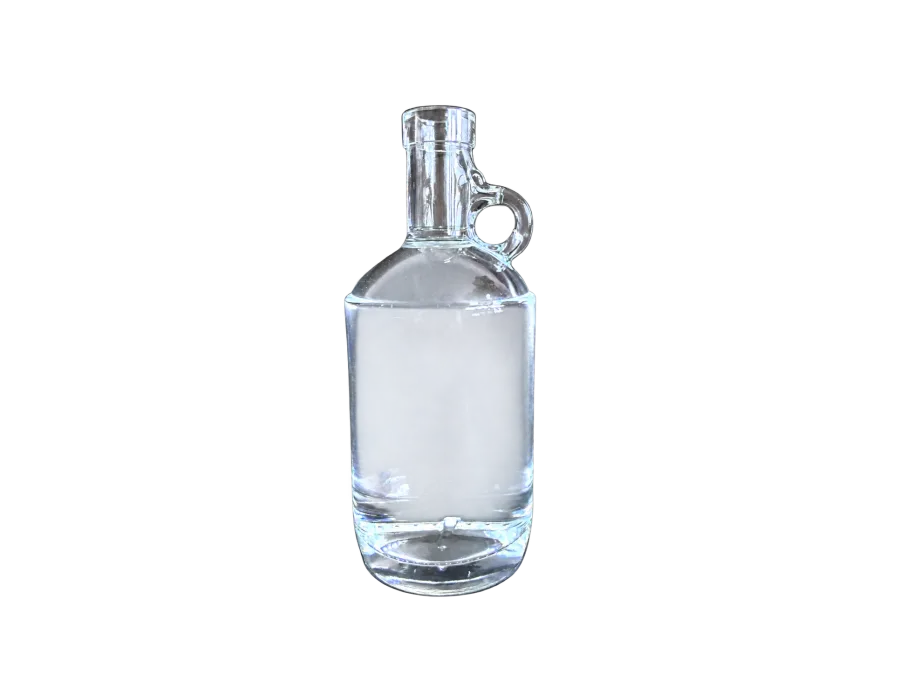
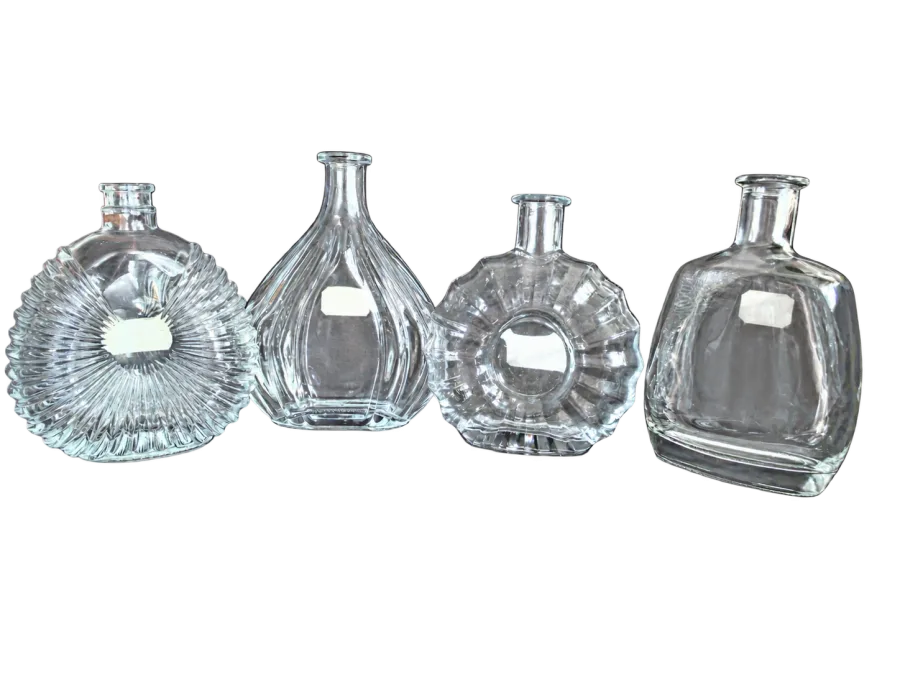
Compare overall height, maximum width, base stability and usable label area—not just the silhouette. Round bodies and flat-sided designs present different labelling and orientation questions. A tall neck, broad shoulder or pronounced taper can affect handling and the space available for decoration.
For example, a bottle that looks right in a product photograph may not fit an existing gift-box insert or pass through a filling-line guide. Check the drawing against those physical limits before choosing it. Do not estimate capacity, weight or neck dimensions from an image.
Approve the neck and closure as a matched pair
A liquor glass bottle and its closure form one packaging system. A screw cap requires the correct thread and sealing arrangement; a stopper requires a compatible bore, insertion fit and contact material. A similar-looking mouth or a matching nominal diameter alone does not establish compatibility.
Ask for the neck-finish specification and the proposed cap or stopper specification together. Confirm whether the quotation includes the closure, liner and any tamper-evident component. If bottles and closures come from different sources, assign responsibility for checking the assembled package.
Evaluate physical samples with the intended spirit and your filling or capping process. Agree checks for leakage, insertion or application, removal and resealing as appropriate. Compatibility should address the liquid’s alcohol content and expected storage conditions, not merely whether the closure can be pushed or screwed into place.
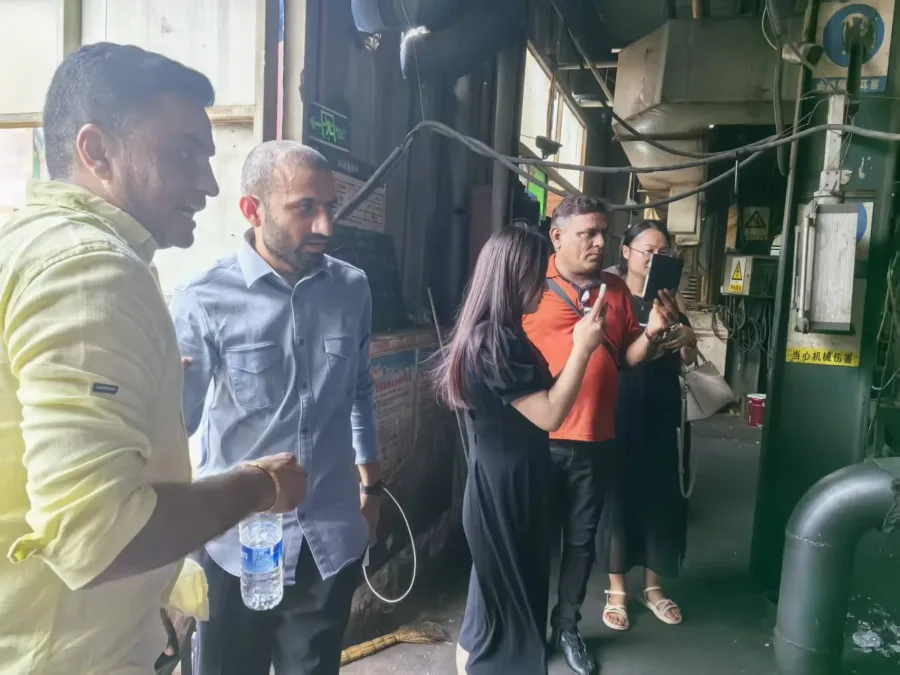
A Ruisheng Glass project review recorded a non-standard bottle mouth that made closure matching difficult. The same review noted that production began after a test video was shared, before physical closure samples had been sent for the buyer’s approval. The practical lesson is to make receipt and approval of the actual bottle-and-closure combination an explicit release condition; a video is supporting information, not an equivalent substitute.
Define acceptable quality before approving bulk bottles
Agree what the buyer will inspect and what will trigger rejection before placing the production order. Separate functional defects, such as damaged sealing surfaces, from cosmetic observations such as visible mould seams. Record dimensional tolerances, appearance expectations and the inspection method rather than relying on “good quality” as an acceptance standard.
Keep an approved sample and drawing revision as references. If decoration is included, approve its colour, position and appearance separately from the undecorated glass. A plain sample cannot establish the finished appearance or durability of a decorated production bottle.
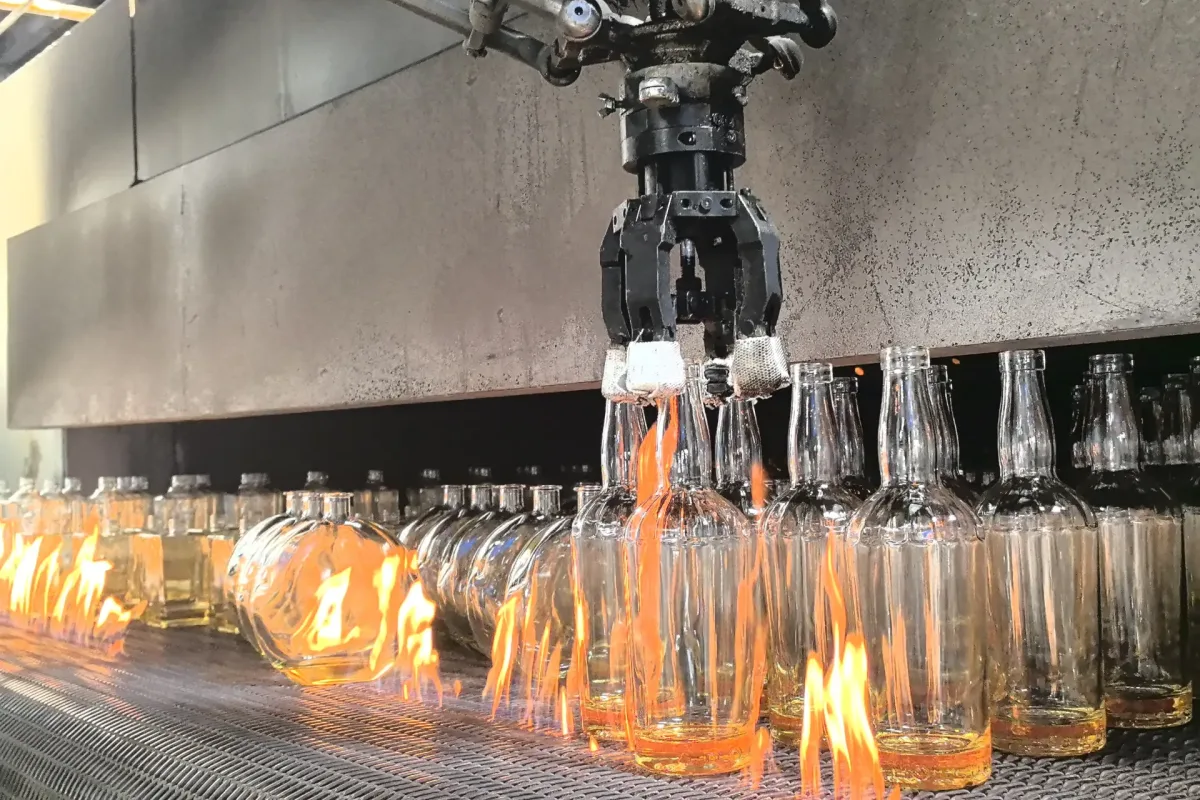
New empty bottles should not automatically be treated as ready to fill without preparation. Confirm the delivered cleanliness condition and validate the receiving, rinsing or cleaning process with the filling operation. A Ruisheng Glass project review identified mould-oil residue concerns and recorded a project-specific agreement to wipe bottles with alcohol. That historical agreement is not a universal cleaning specification or a promise that all orders receive the same treatment.
When reviewing test documentation, check the tested sample, report date, test conditions and relevant destination requirements. A report for one sample does not establish that every bottle, closure or decorated variant is covered. Request applicable evidence for the proposed package and resolve any gaps before approval.
Confirm quantities and packing as separate order conditions
The minimum order, quantity per carton, quantity per pallet and economical shipping quantity are different figures. Ask for each one for the selected bottle and closure. Do not assume that a mixed order across capacities, colours or designs satisfies a minimum quoted for one item.
An existing mould does not necessarily mean finished bottles are available for immediate shipment. Establish whether the offer uses confirmed inventory or a future production run, and obtain a current schedule. Treat sample timing, production completion and arrival at the filling site as separate milestones.
Agree the transport configuration before comparing delivered costs. Confirm bottle separation or partitions, carton or tray arrangement, pallet dimensions, load height and protection against movement and contamination. The proposed packing must also suit the receiving operation’s storage and unloading arrangements.
Request itemised costs for glass, closures, decoration, packing and freight where applicable, with the delivery terms stated clearly. Agree how shortages or transit damage will be documented, the notification period and the remedy process. A photograph of packed bottles does not establish a guaranteed breakage rate.
Keep an existing design—or move to custom development?
Keep an existing bottle design on the shortlist when it meets the functional brief and the brand can work within its available label and decoration areas. A distinctive label or surface treatment may provide the required presentation without changing the glass geometry. Confirm the proposed treatment on that specific bottle rather than assuming every process works equally well on every shape.
Move towards custom development when a necessary feature cannot be met by the existing design: a different overall size, a new neck finish, integrated embossing or a unique body shape, for example. A change to the glass itself can require tooling and further sample approval; it is not simply an artwork change.
Ruisheng Glass provides OEM/ODM bottle development covering mould engineering, sizes, shapes, colors, caps or stoppers, and decoration processes. The scope, tooling requirements, minimum quantities and schedule for a particular design still need project-specific confirmation. For a spirit-specific development discussion, see How to Source a Custom Tequila Bottle.
To obtain a usable quotation, state the spirit, destination market, intended fill volume, first-order quantity and preferred bottle reference. Add neck and closure requirements, decoration, packing and the required arrival date. Identify undecided details so the supplier can state its assumptions. On this website, submit those details through an enquiry; include a shareable reference URL in the message or arrange file exchange after contact rather than expecting an online checkout.
Frequently asked questions
Does “spirit bottles for sale” mean caps or stoppers are included?
No. A listing may cover the empty glass only. Ask for the included components and quantities in writing, including the specified cap or stopper, liner and any tamper-evident part. Evaluate the assembled package before approving the order.
Can I combine different bottle designs to meet a minimum order?
Do not assume so. Ask whether the minimum applies per model, capacity, colour or production run, and whether closures and decoration have separate minimums. No mixed-order allowance or page-wide minimum is established here.