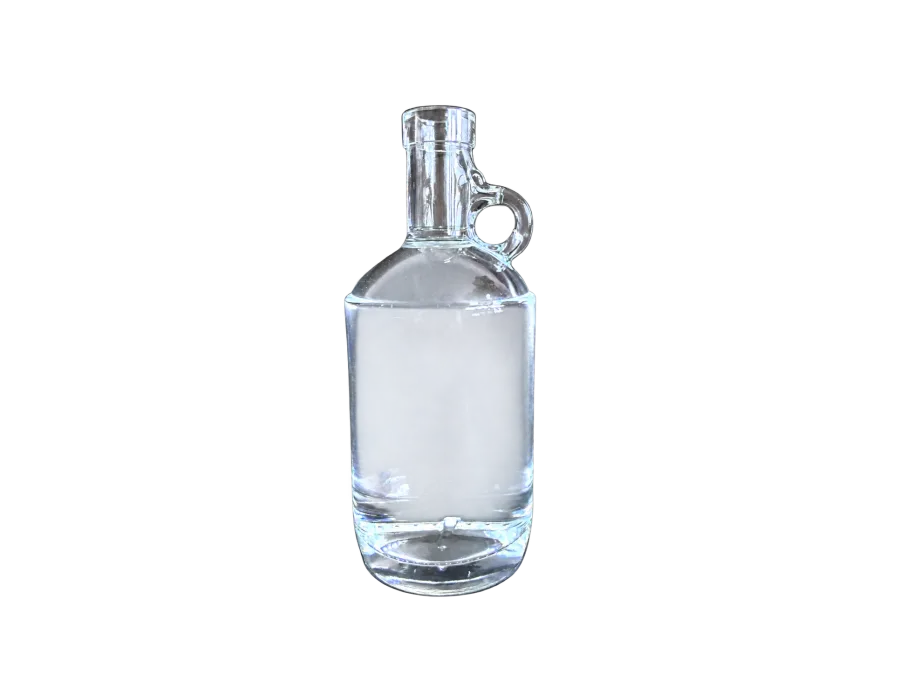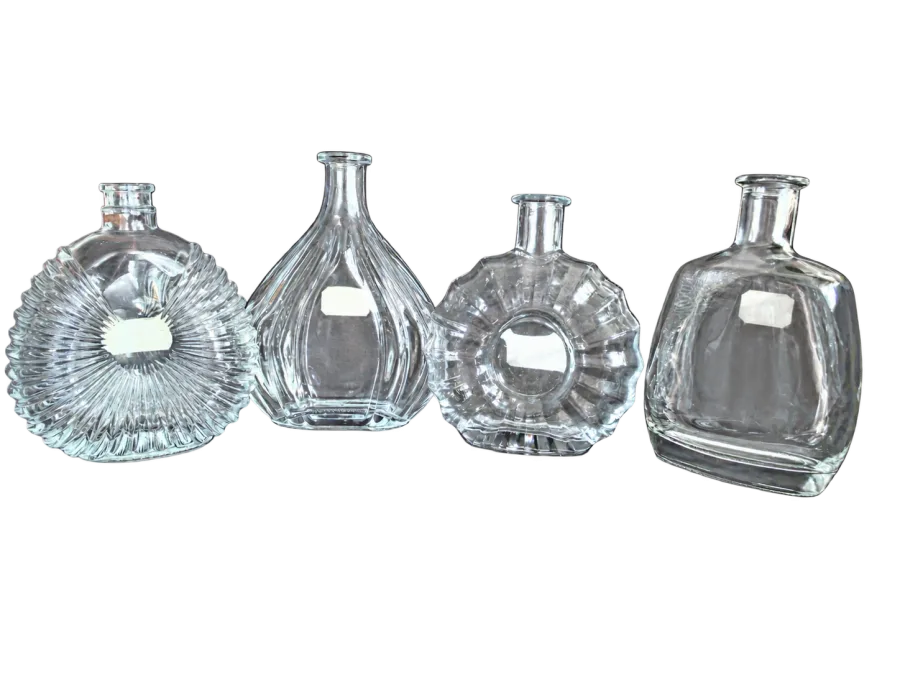
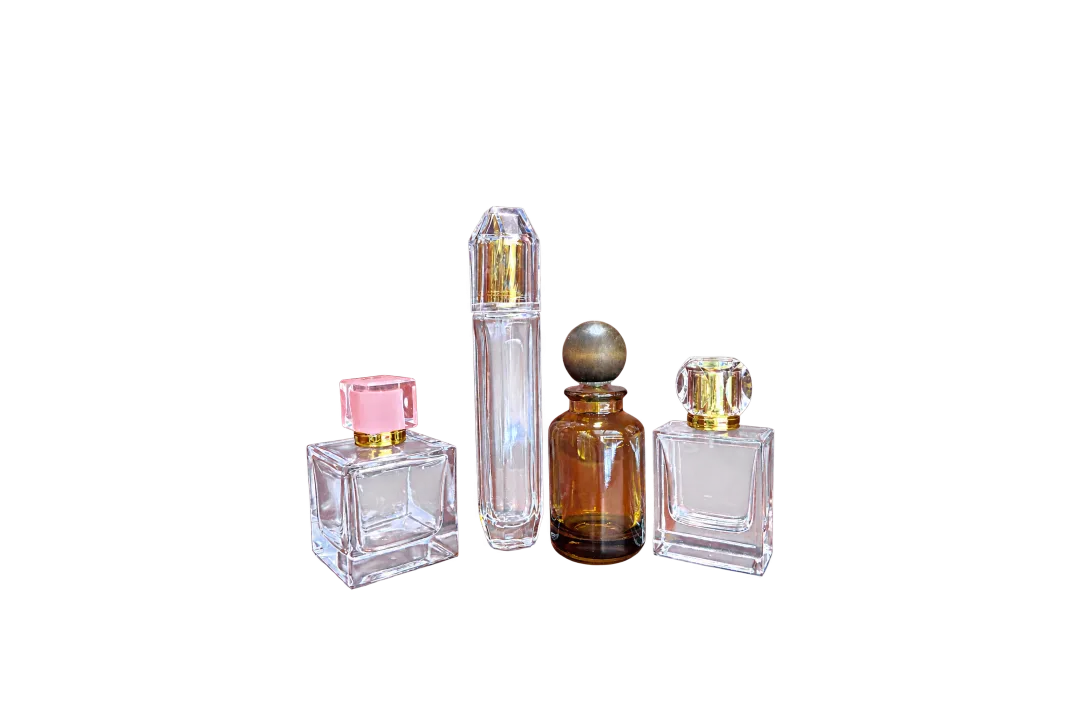

Start with the miniature’s purpose
Mini spirit bottles are small containers intended for individual portions, tasting samples or compact gift presentations. A 50ml bottle may suit a distributor tasting pack, a trial-size spirits range or a hospitality programme, but each application sets different priorities for presentation, handling and packing.
For buyers sourcing mini tequila bottles wholesale, the first distinction is empty packaging versus bottled tequila. State explicitly that the enquiry is for empty glass bottles, and identify whether caps or stoppers, labels and outer packaging are also required. This avoids comparing an empty-container quotation with a finished alcoholic product.
Define the target market, intended fill volume, launch quantity and how the bottle will be distributed. A tasting set needs to fit its insert; a bottle packed individually needs its own label and protection. Check applicable pack-size and labelling requirements in the destination market rather than assuming that a 50ml format is accepted everywhere.
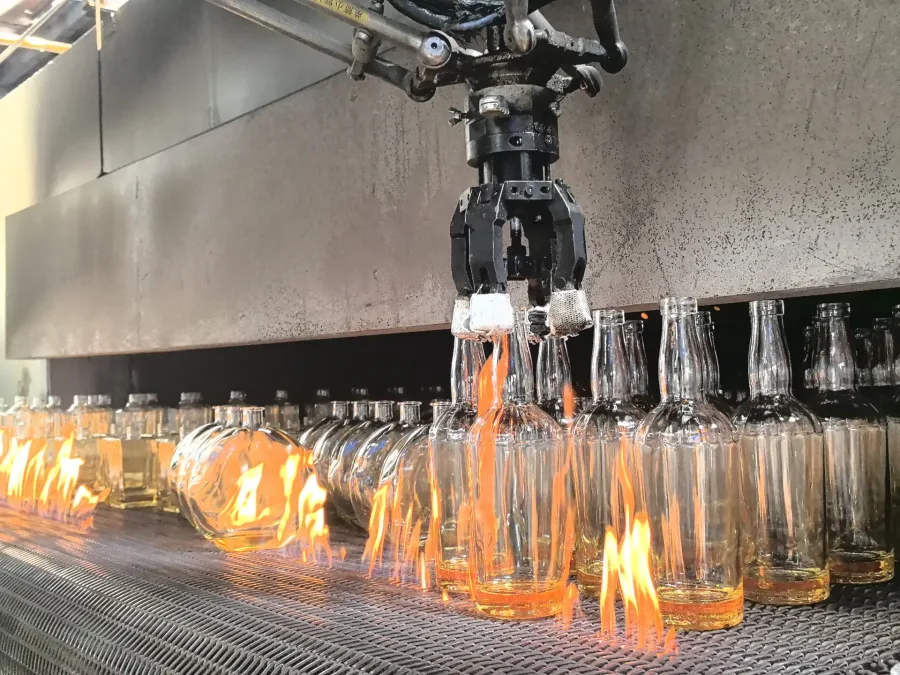
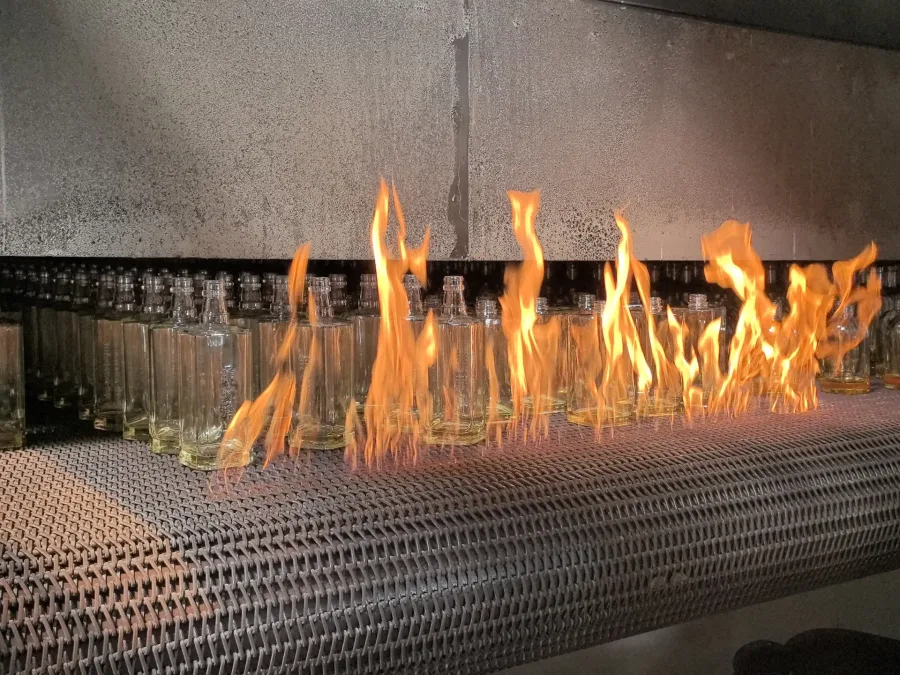
Ruisheng Glass manufactures liquor and spirits bottles, including tequila bottles, and provides OEM/ODM bottle development. That broader capability does not establish a particular 50ml model, stock position or minimum order. For the wider sourcing decision, A Buyer’s Guide to Wholesale Glass Bottle Sourcing provides a relevant companion.
Turn “50ml” into an agreed drawing
A 50ml intended fill is not the same as a 50ml brimful capacity. Brimful capacity describes the volume up to the rim; the intended fill must leave suitable headspace for the product and closure. Ask the supplier to identify both capacities and the measurement conditions used.
Agree capacity tolerances and the dimensions that affect your operation. Overall height and body width influence packing and handling, while neck geometry determines the closure interface. Record these requirements on a controlled drawing rather than relying on a photograph or a catalogue capacity label.
A small absolute volume difference represents a larger proportion of a miniature’s fill than of a full-size bottle. That makes capacity consistency worth checking, but it does not justify inventing a universal tolerance. Your filling team and supplier should agree acceptable limits and a measurement method for the selected design.
Use the drawing revision as the reference for sample review and production approval. If the proposed bottle changes in weight, dimensions or capacity during development, assess the consequences for filling, labelling and packing before accepting the revision.
Validate the neck, closure and filling line together
A cap that looks proportionate to a miniature is not necessarily compatible with its neck. Confirm the neck-finish drawing and the closure specification together, including the sealing surface and any liner or stopper material that contacts the spirit.
For a screw closure, verify the thread interface, application requirements and tamper-evident arrangement where required. For a stopper, verify the bore, insertion depth, retention and removal behaviour. Neither option should be approved solely because it fits one sample by hand.
Check the miniature on the equipment that will actually fill and close it. Bottle stability, conveyor guides, filling-nozzle clearance, gripper contact and capping-head access can become constraints when moving from a larger bottle to a short or narrow format. Ask the filling operator which dimensions must remain fixed.
Test representative bottle-and-closure samples using the intended product and an agreed handling and storage protocol. Record leakage, closure application and opening behaviour against agreed acceptance criteria. Bottle supply, closure supply and filling-line approval should have clearly assigned responsibilities.
Design within the usable label and decoration area
A miniature is not simply a full-size bottle with smaller artwork. Mandatory text, brand recognition and batch information compete for a limited surface. Establish the usable decoration area before finalising the graphic design, and have the destination-market label requirements checked separately.
Ask for the label panel’s dimensions and curvature, plus clearances from the shoulder, heel, seams and any raised details. A label that bridges a sharp change in shape may be harder to apply consistently. If orientation matters, confirm how the bottle will be located during labelling or printing.
Review artwork at actual size on the selected bottle. Check legibility, contrast and the space left for variable information. For direct decoration, ask the decorator to confirm printable boundaries and artwork constraints; do not assume every process available on a larger bottle works unchanged on a miniature.
Approve a decorated sample where appearance or application is critical. Review it with the intended closure and gift insert, if applicable, so that a successful bottle design does not become an unreadable or poorly fitting finished pack.
Separate order minimums from sample approval
When comparing 50ml liquor bottles wholesale, ask whether the proposal uses an existing mould or requires new tooling. An existing mould does not necessarily mean finished bottles are in stock. Confirm availability, production scheduling and the quantity applicable to that exact model.
Obtain separate minimums for the glass bottle, closure, each decoration treatment and any custom packaging. Ask whether quantities apply per model, colour or artwork version. A combined order total can conceal a component minimum that leaves you with excess caps or decorated bottles.
Distinguish a visual reference sample from a sample suitable for functional approval. A bottle with a different neck or closure can help assess appearance, but it cannot establish sealing or filling-line compatibility. Confirm which samples represent the proposed production specification and which differences remain unresolved.
Before committing to bulk production, record the approved drawing, closure specification, artwork and sample acceptance. Agree responsibility for tooling, sample charges, revisions and any further approval stage. Ruisheng Glass’s mini-bottle MOQ, sample terms and production timing require project-specific confirmation.
Approve transport protection for the delivery route
Small bottles still need protection against glass-to-glass contact, movement and contamination. Ask the supplier to describe the proposed packing arrangement, including separation, carton or tray format, pallet configuration and how openings are protected during transport.
Review the packing against what happens after delivery. Bottles that will be unpacked manually for gift sets have a different handling workflow from bottles fed into a filling operation. Confirm how bottles and closures are identified, counted and kept together without making either component difficult to handle.
Evaluate shipment cost using the packed specification, not bottle volume alone. Request the relevant packed dimensions, weights and delivery scope before comparing offers. Agree any transport checks and evidence needed to report damage, shortages or packing problems at receipt.
A useful enquiry therefore includes the intended fill, neck and closure requirements, quantity per version, decoration brief and delivery destination. To discuss feasibility with Ruisheng Glass, include those details and a shareable reference URL in your enquiry message; arrange any drawing-file exchange after contact.
Frequently asked questions
Does “mini tequila bottles bulk” mean empty bottles or filled tequila?
The phrase can describe either. For a packaging enquiry, specify empty glass bottles and state whether closures and decoration are included. Ruisheng Glass’s offering is glass bottle manufacturing and customization, not the supply of filled tequila.
Should I consider 200ml or 375ml instead of a 50ml bottle?
Consider the intended serving or pack purpose first. A 200ml or 375ml format holds more product and needs its own capacity, closure, filling and label review; it is not a substitute approved by scaling a 50ml drawing. Availability and suitability must be confirmed for each proposed bottle.