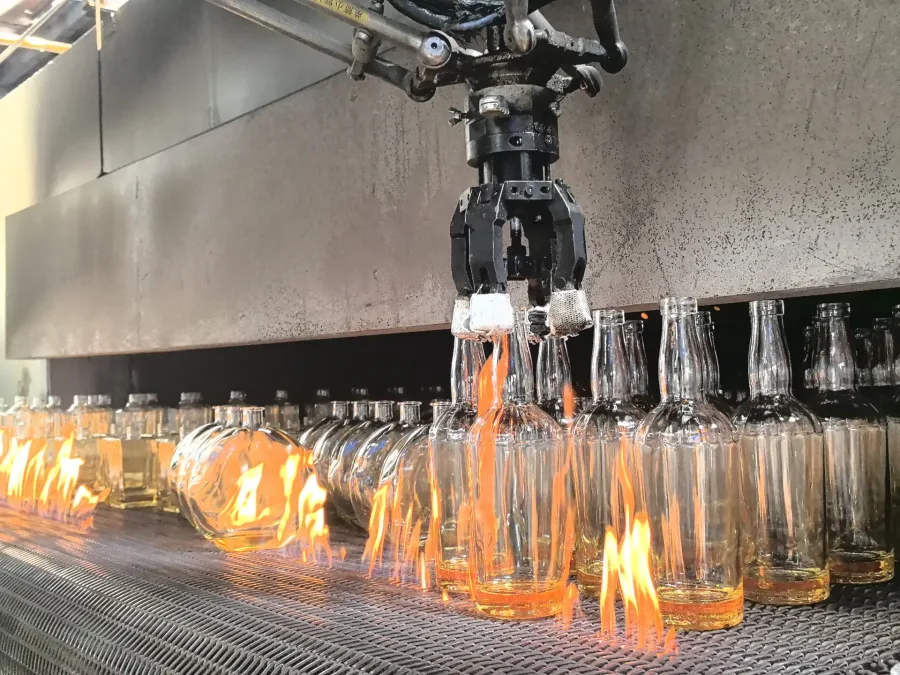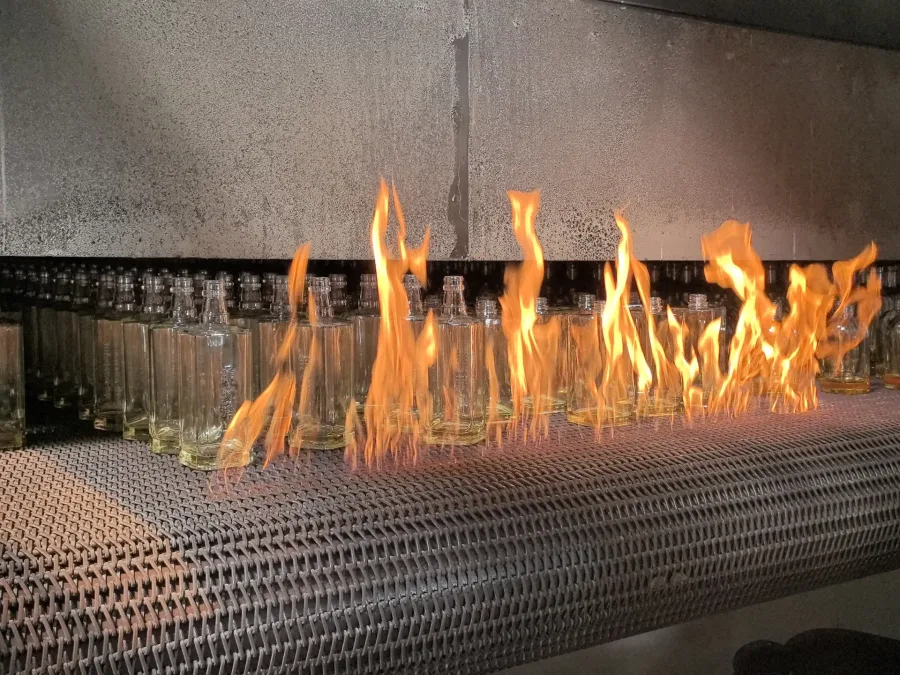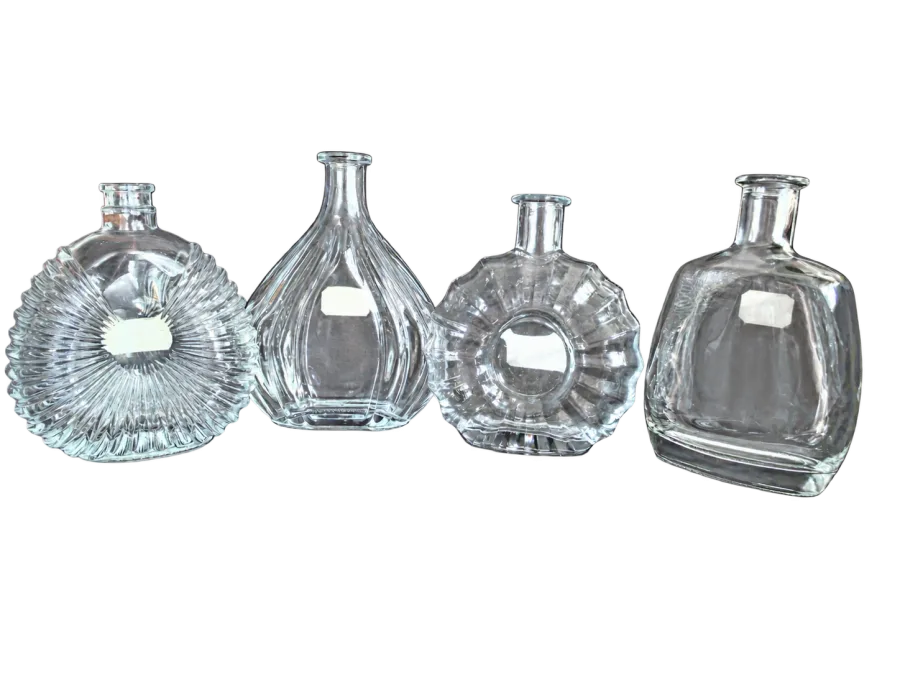
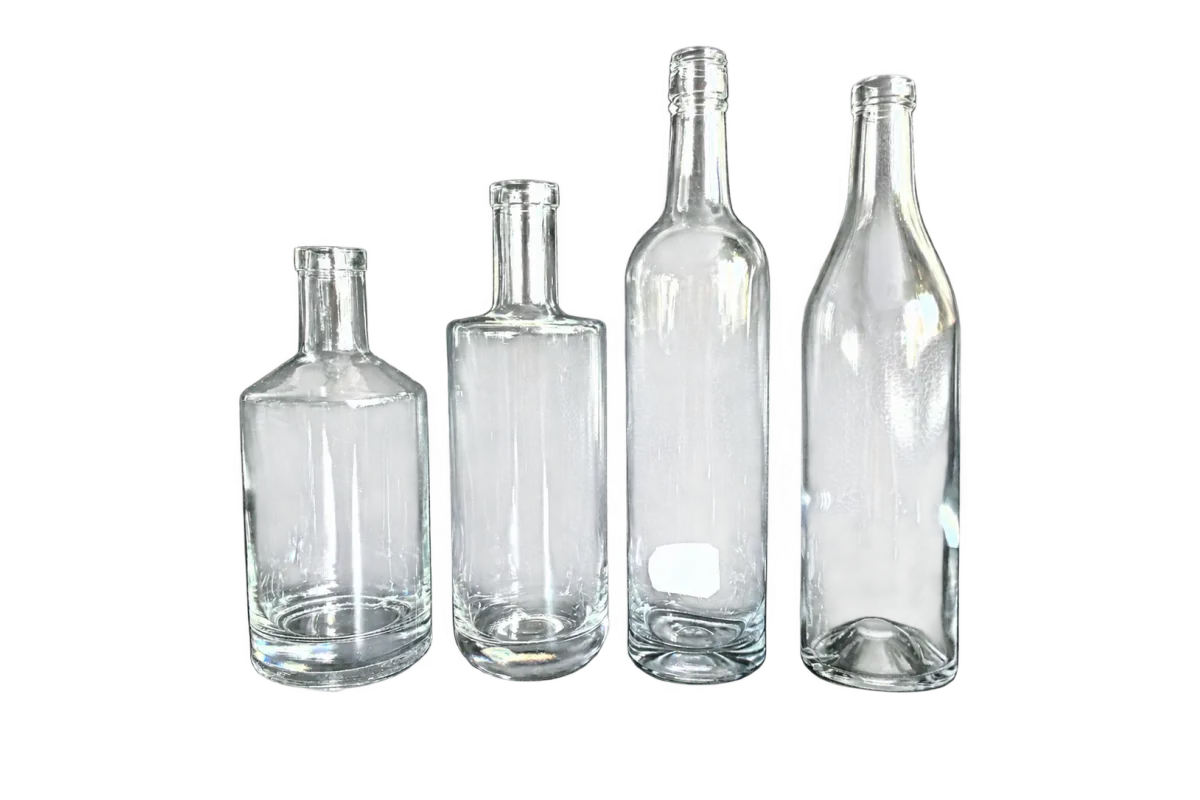
Start with a brief that separates requirements from preferences
A development project needs more than a striking silhouette. Write down the spirit type, intended fill volume, alcohol content, destination market, launch quantity and repeat-order forecast. State that the enquiry concerns empty glass packaging, and identify whether closures, decoration and protective packing belong in the quotation.
Separate non-negotiable requirements from visual preferences. A maximum height imposed by a filling line is a constraint; a taller-looking neck is a design preference. This distinction lets the manufacturer propose changes without losing the purpose of the design. Name the person responsible for approving engineering details and the person responsible for brand appearance.
Ruisheng Glass manufactures liquor and spirits bottles and provides OEM/ODM development covering mould engineering, sizes, shapes, colours, caps or stoppers and decoration. For an initial assessment, include a shareable reference URL in the enquiry message, then arrange design-file exchange with [email protected].
- Product brief: Spirit type, alcohol content, intended fill volume and destination market.
- Operating limits: Filling and closing equipment, maximum dimensions and label-application requirements.
- Design intent: Original references, essential visual features and acceptable alternatives.
- Commercial brief: Initial quantity, repeat demand, budget assumptions and required arrival date.
Clear design rights before commissioning tooling
A reference bottle can explain a proportion, texture or mood without granting permission to reproduce it. Before commissioning tooling, establish who owns the proposed bottle geometry, logo, illustrations and other artwork. Obtain written permission where protected material belongs to another party.
If a brief names an established spirits brand, clarify whether the request is authorised brand work or simply a visual reference. A supplier’s willingness to review a reference does not establish authorisation, a customer relationship or a right to copy distinctive packaging. Have qualified legal advisers assess relevant trademarks, registered designs and other rights in the intended markets.
Agree separately on confidentiality, ownership of newly created drawings, ownership and storage of moulds, permitted use of the tooling and access to files if the supply relationship ends. Paying a tooling invoice should not be treated as a substitute for written ownership and usage terms.
Convert the concept into a manufacturable bottle specification
Decide whether the project needs a new glass structure or a different presentation of an existing design. Decoration can change the visual identity without changing the bottle geometry. A new mould is relevant when the required shape, dimensions or integral glass details cannot be achieved with an available design; it also introduces tooling and sample-review decisions.
Specify intended fill volume alongside overall height, body dimensions, neck details, target weight and usable decoration areas. Ask the manufacturer to identify proposed tolerances and any changes needed for manufacture. A heavier base or unusual shoulder may serve the brand concept, but its effect on handling, packing and filling must be considered before the drawing is frozen.
Review glass appearance independently of shape. Distinguish colour within the glass from an applied surface colour, and assess physical references under consistent lighting. Neither a screen rendering nor a photograph establishes the final glass colour or clarity.
For custom rum bottles, for example, decide whether seeing the liquid is central to the presentation before selecting an opaque finish. The same design exercise applies to tequila packaging; How to Source a Custom Tequila Bottle explores that application in more detail.
Resolve the bottle and closure as one assembly
Choose a closure approach while the neck can still be changed. A stopper depends on the internal neck geometry and its engagement with the bottle; a screw closure depends on the corresponding neck finish and sealing arrangement. A similar-looking cap is not evidence of compatibility.
Exchange drawings for both components and identify who is responsible for checking the assembly. Include the intended sealing surface, insertion or application method, tamper-evident requirements and any pouring accessory. When a closure comes from another supplier, make its current specification part of the bottle-development brief.
Test representative bottles with the intended closures, product and operating conditions. Evaluate application, removal, leakage and handling with the bottler, using agreed methods and acceptance criteria. An attractive hand-assembled sample does not by itself establish performance on a production closing line.
Prepare decoration artwork for the actual glass surface
Define the desired result before selecting the decoration method: transparent or opaque coverage, fine detail or broad colour, a smooth or textured appearance, and the areas that must remain clear. Printing, labels, frosting and colour coatings have different preparation and evaluation needs. Discuss feasibility for the actual bottle rather than assuming every technique suits every surface.
Prepare artwork at the intended size with clear positioning, colour references and separate elements for each proposed treatment. Mark label boundaries, clear windows and areas that must remain free of decoration. Ask the decorator to confirm its file format, minimum detail, alignment limits and proofing requirements before final artwork is released.
Review decoration on the agreed bottle or a clearly identified representative surface. Curvature, seams and changes in diameter can affect how a design reads. A flat artwork approval establishes the graphic content; it does not establish how the finished treatment will look or behave on glass.
Ruisheng Glass offers bottle decoration as part of its custom development scope. The Glass Bottle Decoration page is the relevant service reference when discussing which processes and artwork requirements suit a proposed design.
Give each sample a defined approval purpose
Do not treat every sample as approval for the same thing. An existing bottle can help assess glass appearance or handling. A dimensional model can help review proportions. A custom glass sample can support dimensional and closure checks. A decorated sample adds another approval decision. Record what each sample represents and what remains unresolved.
A Ruisheng development record from 2024 documents bottle-detail and drawing confirmation in March, followed by plain-glass sampling in April and further decoration discussions. This sequence illustrates why approving the glass structure and approving its final presentation are separate decisions; it is not a standard project lead time.
For a production-intent sample, compare the bottle against the current drawing, assemble the intended closure and review the decoration against its approved reference. Include filling, closing, labelling and packing trials where relevant. Agree which checks belong to the manufacturer, decorator, closure supplier and bottler.
Keep a dated approval record with the drawing revision, sample identification, accepted deviations and open actions. If a neck dimension or surface treatment changes afterwards, determine which checks must be repeated. Approval should follow the actual revision being produced, not an earlier sample that only looks similar.
Release bulk production against an agreed package
Before placing the production order, obtain a quotation tied to the approved bottle revision and its complete scope. Separate bottle cost, tooling, closures, decoration, sample work, packing and freight. An existing-mould order and a new-mould project should not be compared as though they contain the same development work.
Ask for the MOQ for the specific bottle design and capacity, then confirm whether decoration colours, closure variants or packing choices carry separate minimums. Distinguish a committed order quantity from an annual forecast. Obtain current project-specific sample charges, payment terms and scheduling assumptions rather than transferring terms from another bottle or an earlier enquiry.
Build the schedule around approvals and dependencies: engineering confirmation, tooling, samples, revisions, glass production, decoration, packing and transport. Identify the required arrival date at the filling site and allow for review or rework. A promised production duration is not the same as a delivered-to-site date.
Release production only when the drawing, closure specification, decoration reference, acceptance criteria and packing arrangement tell the same story. Agree how changes will be authorised and how batches will be identified for future orders. The useful outcome is not merely an approved concept, but a repeatable specification that all parties can work to.
- Technical release: Current bottle drawing, matched closure specification and completed approval actions.
- Appearance release: Agreed glass and decoration references with identified revisions.
- Commercial release: Applicable quantities, inclusions, tooling terms and payment conditions.
- Delivery release: Packing specification, shipment responsibilities and arrival-date assumptions.
Frequently asked questions
What is the plastic insert inside a liquor bottle neck called?
Depending on its function, it may be a pour restrictor, flow-control insert or part of a non-refillable closure assembly. Identify the component by its function and specification rather than appearance alone. If the design needs an insert, include it in the neck-and-closure compatibility review.
Who should confirm mandatory wording on a custom spirits bottle?
The brand owner should coordinate review with its importer, bottler or qualified regulatory adviser for each destination market. Confirm required wording, volume declarations, warnings and label placement before releasing artwork. Graphic approval by a bottle supplier is not a substitute for regulatory review.